Don't Rely on Pensions
The Economics of Longevity, Policy Risk, and Underfunding
What if the retirement system you trust is built on assumptions that may not hold?
The conclusion is not pessimism. It is perspective.
For decades, pensions have been presented as the cornerstone of retirement security. Work long enough, contribute consistently, and the system will provide income for life.
But behind that promise lies a complex structure shaped by demographics, financial markets, and public policy—forces that evolve over time.
In Don’t Rely on Pensions, economist Danilo F. Marcelo Jr., DBA, examines the economic realities behind modern pension systems and the structural pressures they face in an aging world.
This book explores the key forces reshaping retirement security:
- The impact of longer life expectancy on pension sustainability
- Why demographic shifts strain pay-as-you-go systems
- How return assumptions and funding gaps affect pension stability
- The role of policy changes in reshaping retirement promises
- Why inflation quietly erodes long-term purchasing power
- How corporations have shifted pension risk to employees
Rather than offering alarmist predictions, this book provides clear economic reasoning about how pension systems function—and why relying on them alone may be risky over a multi-decade retirement horizon.
The conclusion is not pessimism.
It is perspective.
Pensions can play an important role in retirement planning. But durable financial security requires a broader structure built on diversification, capital ownership, and long-term economic awareness.
Written with analytical clarity and global perspective, Don’t Rely on Pensions challenges one of the most widely accepted assumptions about retirement—and offers a more resilient way to think about financial independence.
This book is part of the Don’t Series, a collection that examines the hidden economic structures shaping modern life.
Preface
Retirement is often described as a reward.
Work for decades.
Contribute consistently.
Trust the system.
Receive income for life.
It sounds stable. Predictable. Contractual.
But pensions are not guarantees. They are long-duration financial promises built on assumptions—assumptions about demographics, market returns, fiscal discipline, and political stability.
Assumptions change.
People are living longer than pension systems were originally designed for.
Investment returns fluctuate over decades.
Governments revise policies under fiscal pressure.
Corporations restructure obligations when balance sheets tighten.
None of this implies immediate collapse.
It implies structural uncertainty.
The central risk of pensions is not that they fail tomorrow.
The central risk is dependency on a single institutional promise over a 30–40 year retirement horizon.
Pension systems operate under three core pressures:
- Longevity Risk – People live longer, increasing payout duration.
- Policy Risk – Rules can be adjusted when fiscal stress rises.
- Underfunding Risk – Liabilities are sensitive to optimistic return assumptions and discount rates.
These pressures are not ideological debates.
They are mathematical realities.
This book does not argue that pensions are worthless.
It argues that they are incomplete.
Retirement planning built entirely around institutional promises assumes stability across decades. History suggests that such stability is rare.
The objective of this book is not to create fear.
It is to replace passive confidence with informed strategy.
If pensions are treated as a floor rather than a plan, retirement becomes a design problem—not a dependency problem.
Understanding that distinction changes everything.
 Don't Be Trapped by Credit Cards
 Don't Save Money
 Don't Chase Passion
 Don't Follow Your Degree
 Don't Go to Work
 Don't Trust Job Security
 Don't Rely on a Single Income
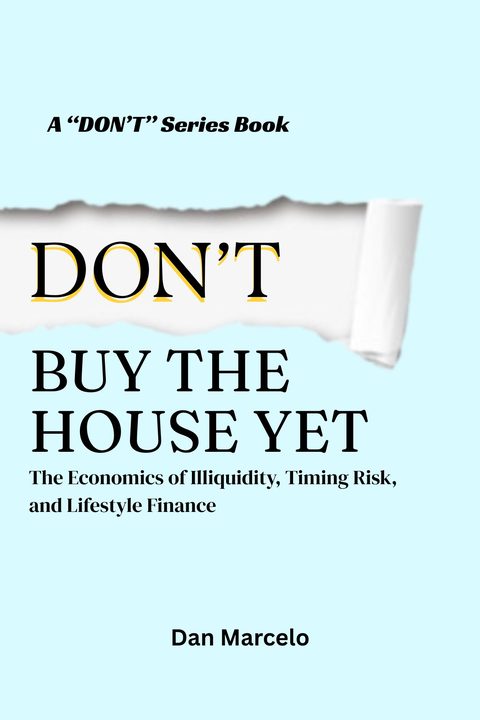 Don't Buy the House Yet
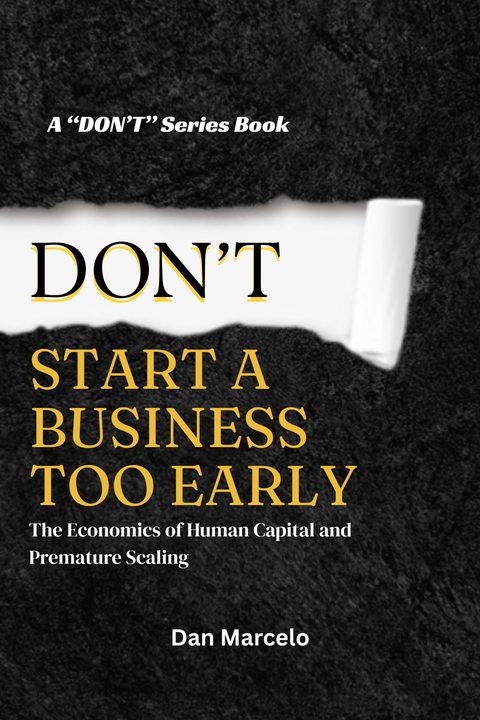 Don't Start a Business Too Early
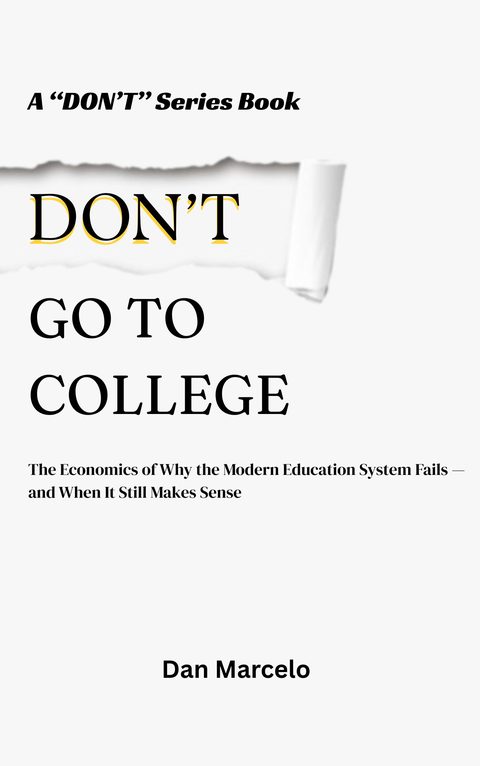 Don't Go to College
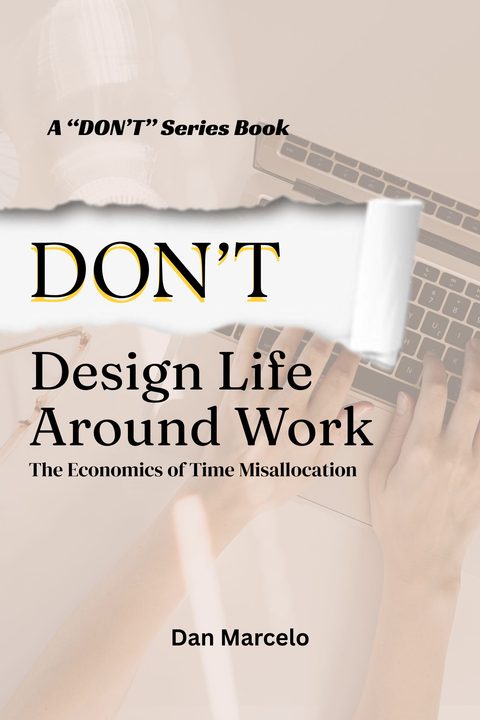 Don't Design Life Around Work
 Don't Live Paycheck to Paycheck